
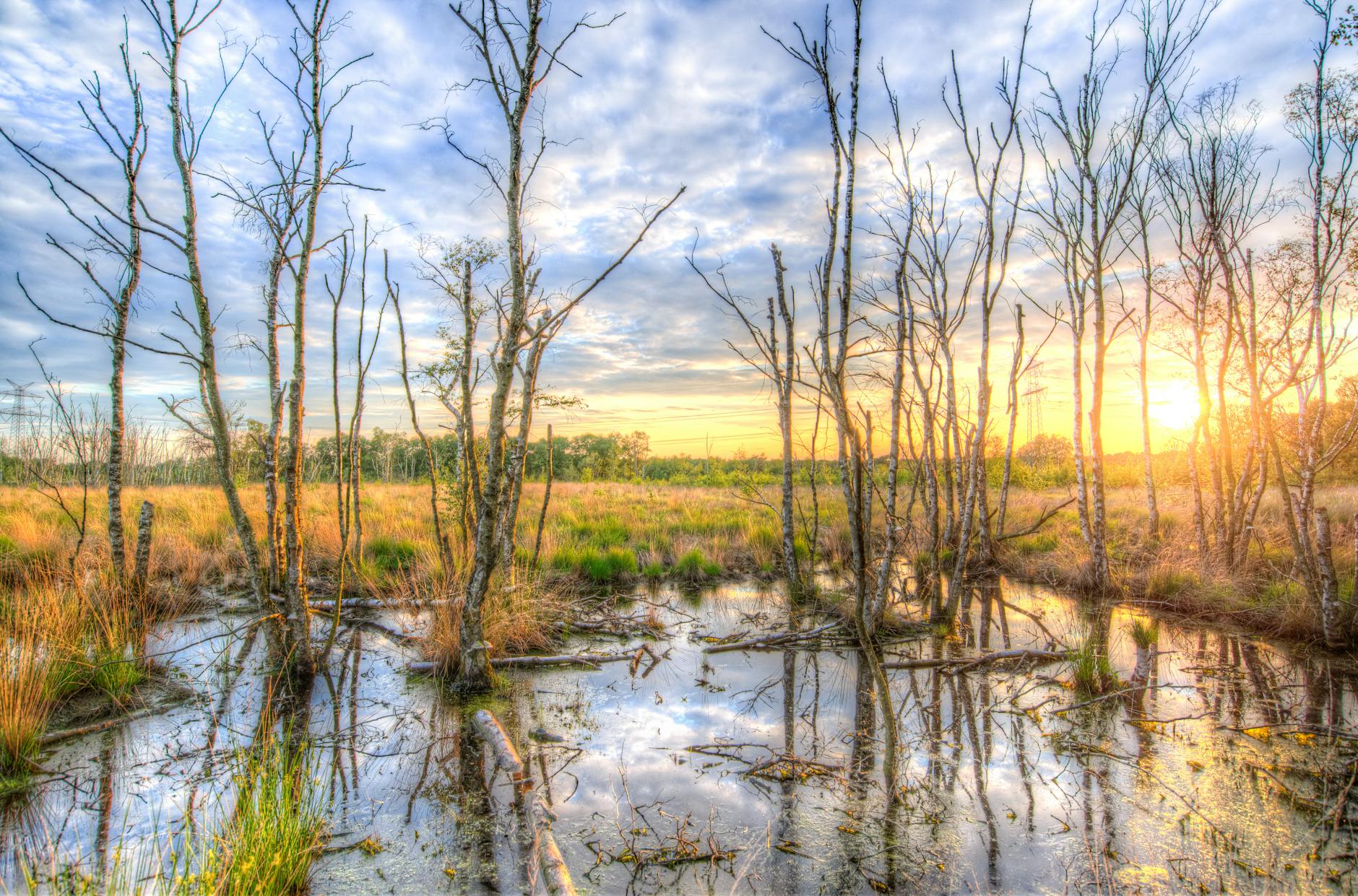
Missing in action. That’s how I’ve felt, creatively (and emotionally), for the past two months. Little time to pay attention. Little time to be astonished. Little time to tell about it. I’ve failed to live by Mary Oliver’s instructions for living a life. Fall has always been a season brimming with activity: school starts, I assist in coaching my son’s soccer team, there are weekly gigs with Treebeard Brown, and this year, I started teaching a writing class with Grove City College. I do not feel that I have wasted my time, but I feel exhausted, spent, and worn out after the struggle of juggling such responsibilities, like “a poor dry stick.”
In the midst of it all, three wonderful surprises happened. First, I managed to work my way through multiple drafts of a new poem (I’ll be posting that next). Second, I shared that poem with a group of fellow poets and received both encouraging and constructive feedback (and got to hear other engaging poems). Finally, I came across another Mary Oliver poem in my AP English class that speaks to where I have been, and where many of us are. We’ve all been crossing the swamp. But rather than sink in and slowly rot away, Mary Oliver reminds us that we’ve all been given the chance to take root and make of our lives “a breathing palace of leaves.”
Crossing the Swamp
by mary oliver
                                    Here is the endless
                                                wet thick
                                                          cosmos, the center
                                                                 of everything—the nugget
                                     of dense sap, branching
                                               vines, the dark burred
                                                        faintly belching
                                                                  bogs. Here
                                     is swamp, here
                                               is struggle,
                                                        closure--
                                                                  pathless, seamless,
                                     peerless mud. My bones
                                                knock together at the pale
                                                         joints, trying
                                                                  for foothold, fingerhold,
                                     mindhold over
                                               such slick crossings, deep
                                                        hipholes, hummocks
                                                                  that sink silently
                                      into the black, slack
                                               earthsoup. I feel
                                                         not wet so much as
                                                                  painted and glittered
                                         with the fat grassy
                                               mires, the rich
                                                        and succulent marrows
                                                                 of earth— a poor
                                     dry stick given
                                               one more chance by the whims
                                                        of swamp water— a bough
                                                                 that still, after all these years,
                                     could take root,
                                                sprout, branch out, bud--
                                                        make of its life a breathing
                                                                  palace of leaves.
From the AP English Literature & Composition Free Response Questions 2004B
 the deepening ground
Leave a comment